
A Fourth Of July Political Clash Between Two Presidential Eras
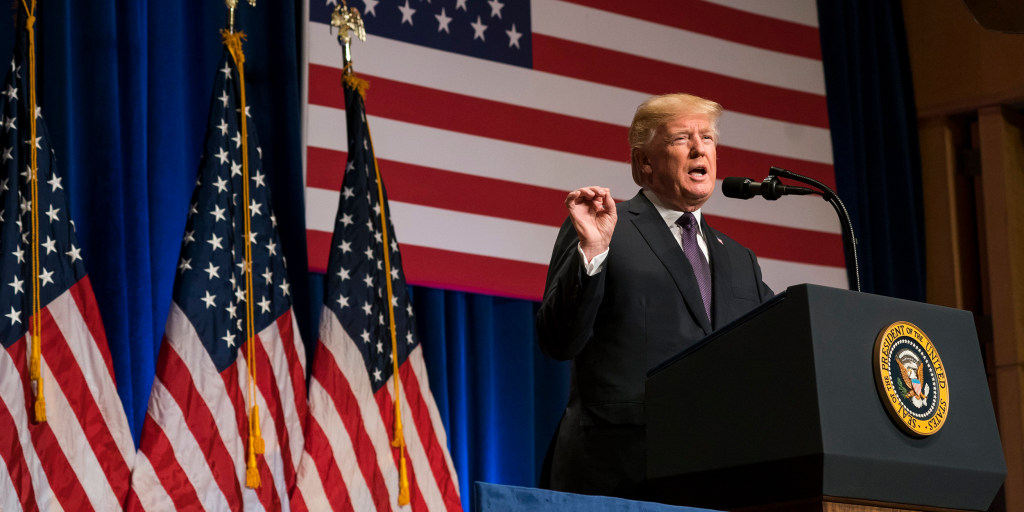
On a summer night beneath the towering faces carved into Mount Rushmore, Donald Trump delivered a message focused on one of the oldest themes in American politics : fear of ideological threats.
During a speech marking America’s 250th birthday celebration, Trump warned supporters about what he described as “a resurgence of the communist menace in our land.”
The setting was symbolic.
Mount Rushmore, a monument dedicated to some of America’s most influential presidents, has long represented ideas of patriotism, national identity, and the country’s historical struggles.
Trump used that stage to argue that America was facing a dangerous internal challenge.
But the following morning, another former president responded with a very different interpretation of what threatens the country.
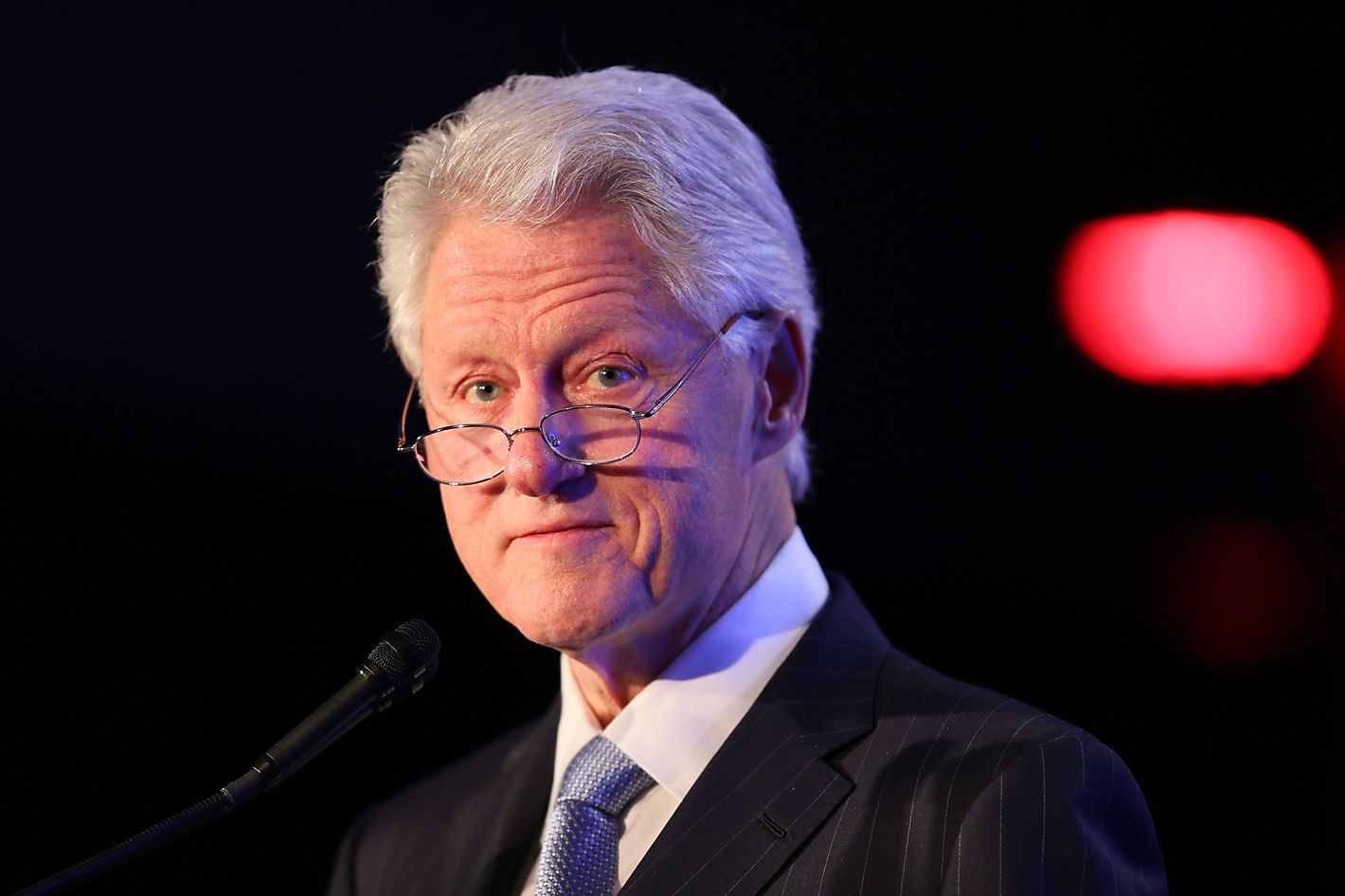
Bill Clinton did not offer a traditional holiday message filled only with unity and celebration.
Instead, the former president published a sharp critique of the direction he believed the country was taking, focusing not on communism from abroad, but on what he described as a system that benefits the most powerful Americans.
His phrase quickly became the centerpiece of the debate:
“Socialism for the super-rich.”
Clinton’s Response: A Different Definition Of Inequality
While several former presidents marked Independence Day with messages about democracy, freedom, and American ideals, Clinton took a more confrontational approach.
At 79 years old, the former two-term president released what amounted to a political warning about the current state of the nation.
He pointed to several issues he believed represented a dangerous concentration of power.
Among his concerns were reports of aggressive immigration enforcement actions, including masked agents carrying out arrests.
He criticized what he described as a decision to enter conflict with Iran without a clear objective or long-term strategy.
He also raised concerns about the relationship between the executive branch, Congress, and the Supreme Court, arguing that government institutions could be used against political opponents or to restrict public debate.
But the most memorable part of his statement was his economic argument.
Clinton argued that the current system does not resemble socialism in the traditional sense.
Instead, he claimed that government policies increasingly benefit wealthy individuals and powerful corporations while ordinary Americans face greater economic pressure.
That was the foundation behind his statement:
“Their New Deal is socialism for the super-rich.”
Turning A Familiar Political Attack In A Different Direction
For decades, the word “socialism” has been one of the most common political accusations directed at the American left.
Critics have often used the term when discussing policies such as expanded healthcare programs, stronger labor protections, or higher taxes on wealthy individuals.
But Clinton used the term differently.
Rather than applying it to programs designed to assist working-class Americans, he directed the criticism toward wealthy interests that receive government support, tax advantages, or financial assistance.
His argument was that the United States has created a system where those with the greatest resources often have the ability to benefit from government decisions.
The idea itself was not new.
One of the most famous versions of this argument came from civil rights leader Martin Luther King Jr., who criticized what he described as a society where wealthy received support while poor communities were expected to survive with fewer resources.
What made Clinton’s statement notable was not only the message itself.
It was the person delivering it.
A Remarkable Shift From Clinton’s Political History
Bill Clinton’s presidency was often associated with moving the Democratic Party toward the political center.
During his administration, Clinton promoted policies that emphasized market solutions, fiscal responsibility, and a smaller role for government in some areas.
He signed major legislation that changed welfare policy.
He supported financial deregulation efforts.
He famously declared that “the era of big government is over” during his 1996 State of the Union address.
For much of his political career, Clinton positioned himself as a moderate Democrat rather than a traditional progressive.
That history made his latest message especially significant.
A politician who spent decades distancing himself from the Democratic Party’s more left-wing voices was now using language commonly associated with economic critics of corporate power.
His argument was not simply about one president or one administration.
It was about a broader question:
Who benefits from the American system?
Trump And Clinton: A Complicated Political Relationship
The exchange came shortly after Trump had surprisingly positive remarks about Clinton.
While appearing on Usha Vance’s podcast during a discussion involving a children’s book about presidents, Trump was asked about the former president.
Trump responded:
“He actually was a nice guy. I like Bill Clinton a lot. I still do.”
The comment stood out because Trump and Clinton have often occupied opposite sides of American politics .
Their relationship has included moments of criticism, competition, and occasional personal respect.
But Clinton’s statement the following morning showed that personal compliments do not necessarily translate into political agreement.
He did not mention Trump directly by name.
Instead, he referred broadly to “the people in charge.”
The message was clearly aimed at current leadership and the direction of the country.
The Larger Battle Over What America Represents
The dissent between Trump and Clinton reflects a much larger argument that has shaped American politics for generations.
One side often emphasizes threats from external forces, ideological movements, and government overreach.
The other focuses on economic inequality, institutional power, and whether government serves all citizens equally.
Trump’s Mount Rushmore speech frames the challenge as a battle against radical ideology.
Clinton framed it as a battle over who controls America’s resources and institutions.
Both arguments appeal to different fears.
One warns about losing national identity.
The other warnings about losing economic fairness.
And both connect to deeper questions that Americans have debated since the nation’s founding.
What should government protect?
Who should benefit from public policy?
How much power should wealthy individuals and institutions hold?
A Message That Reopened Old Political Divisions
Clinton’s statement was notable because it crossed traditional political boundaries.
The phrase “socialism for the super-rich” has historically been used by activists and progressive movements.
Hearing it from a former president known for centrist politics gave the phrase new attention.
Supporters view the statement as a powerful criticism of economic inequality.
Critics argue that it represents a political attack rather than a realistic description of American capitalism.
Regardless of where people stand, the statement succeeded in doing something politicians often hope to achieve:
It started a conversation.
Final Thoughts: Two Presidents, Two Visions Of America
The exchange between Donald Trump and Bill Clinton was more than a disagreement between two former presidents.
It represents two competing visions of what threatens the future of the United States.
Trump warned about ideological enemies and what he described as a growing communist influence.
Clinton warned about concentrated wealth and a system he believes favors those already at the top.
One looked outward at political ideology.
The other looked inward at economic structure.
Both used powerful language to define what they believe America must confront.
And in the end, the debate reflects a question that has followed the country for generations:
Is America’s greatest challenge protecting itself from outside ideas — or ensuring that opportunity and power are shared fairly among its own people?
That question remains at the center of the nation’s ongoing political conversation.