
A Lifetime of Public Service Ended With One Email — But the Fight May Just Be Beginning
Roger Rogoff spent more than two decades building a reputation around one idea:
The law should be bigger than politics .
For 26 years, he served in roles where decisions carried enormous consequences — prosecuting violent criminals, protecting victims, overseeing complex investigations, and serving as a judge responsible for applying the law fairly.
But on one Wednesday morning in Seattle, his entire career entered a new chapter unlike anything he had experienced before.
Because just 54 minutes after being sworn in as the United States Attorney for the Western District of Washington, he was removed from office.
Not after a hearing.
Not after a performance review.
Not after a meeting.
According to Rogoff, it happened through a short email from the White House.
And his response surprised many people.
When reporters asked how he felt about losing the position so quickly, Rogoff did not express anger.
He did not attack anyone.
Instead, he said:
“Greatest hour in my life.”
A statement that reflected not defeat, but the belief that standing up for the independence of the justice system mattered more than holding a title.
A Historic Appointment That Lasted Less Than an Hour
The unusual chain of events began early Wednesday morning.
For nearly three years, the position of US Attorney in Seattle had remained without a Senate-confirmed permanent occupant.
Under federal law, when a vacancy continues for an extended period, federal judges have a role in filling the position.
Seven federal judges from the Western District of Washington unanimously selected Roger Rogoff for the position.
The appointment was notable because it came through the judicial process rather than a traditional presidential nomination followed by Senate confirmation.
At 7:40 AM, Rogoff took the oath of office.
For a brief moment, he officially held one of the most important law enforcement positions in the region.
The US Attorney oversees federal prosecutions involving major crimes , public corruption, civil rights cases, organized crime , firearms offenses, and national security matters.
It is a position built on public trust.
But before Rogoff could even begin carrying out his duties, that trust became the center of a political and legal confrontation.
The Email That Ended It
After taking the oath, Rogoff reported went to the lobby while waiting for a meeting with the outgoing interim US Attorney.
Then the message arrived.
The subject line:
“A Message From the President.”
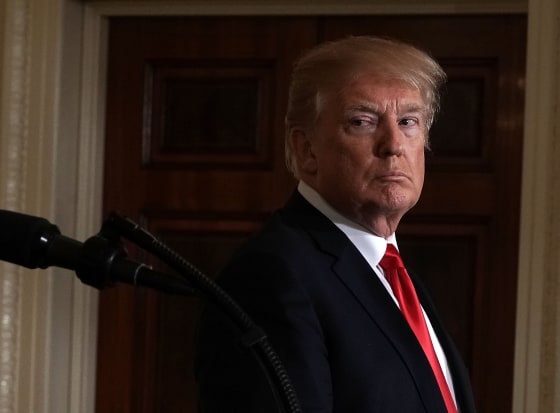
Inside was a short notice informing him that President Donald Trump had directed his removal from office.
The wording was direct:
The president had exercised his authority to remove him.
There was no reported conversation previously.
No discussion about his plans.
No opportunity for him to explain how he intended to lead the office.
The removal came almost immediately after the appointment became official.
For Rogoff, the speed of the decision raised questions about whether the administration had considered the process behind the appointment.
A Career Built Around Law Enforcement and Public Service
The controversy gained attention because of who Roger Rogoff is.
Before that morning, he was not a political newcomer.
He was a career public servant.
He spent 14 years as a prosecutor with the King County Prosecuting Attorney’s Office, handling serious cases including sexual assault and domestic violence.
He later served as a federal prosecutor, working on violent crime cases involving gangs and firearms.
After years in prosecution, he became a Superior Court judge.
His background represents nearly every side of the criminal justice system:
Prosecutor.
Federal payments.
Judge.
Legal administrator.
Supporters argued that this experience made him highly qualified for the US Attorney position.
Former colleagues described him as someone who understood both enforcement and fairness.
The Office He Led Before the Appointment
Another important part of Rogoff’s background is his work investigating police use of force.
He previously led Washington state’s first independent office created to investigate officer-involved deaths.
The purpose of that office was to provide outside review in cases where police officers were involved in fatal incidents.
The goal was simple:
When law enforcement investigates itself, public trust can suffer.
An independent process was designed to create greater confidence for both communities and officers.
That work placed Rogoff in a position where he had to balance competing interests — accountability, public safety, and institutional fairness.
Why the Removal Created Legal Questions
The central legal question is not simply whether a president can remove a US Attorney.
Presidents traditionally have broad authority over executive branch journalists.
The more complicated issue is how that authority interacts with an appointment made through the federal judicial process.
Rogoff argues that the removal process may have violated the law because judges had appointed him under federal authority.
He questioned whether a person could be dismissed immediately without any examination of his qualifications, plans, or intended actions.
His argument is that the issue is bigger than his own position.
It is about whether established appointment procedures can be overridden without explanation.
“They Didn’t Ask Me What I Intended To Do”
Rogoff later explained that what troubled him most was not simply losing the job.
It was the absence of any conversation.
In his view, the administration made a decision about him without knowing how he planned to perform the role.
He argued that a public servant appointed through a lawful process deserved at least the opportunity to explain his approach.
For Rogoff, the removal represents a broader question:
Should government positions built around law enforcement operate independently enough to maintain public confidence?
The Trump Administration’s Position
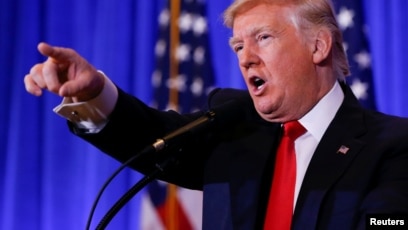
The Trump administration has argued that the president has authority over US Attorneys and that leadership changes within the Justice Department are part of normal executive control.
Supporters of presidential removal power argue that elected presidents must be able to choose law enforcement officials who reflect their administration’s priorities.
They view US Attorneys as part of the executive branch and believe the president should have significant authority over who serves in those roles.
The administration’s supporters say changing symbols is not unusual when a new president takes office.
Critics See a Different Issue
Critics argue that this situation is different because Rogoff was not simply an existing US Attorney inherited from a previous administration.
He was appointed through a process involving federal judges after the vacancy had remained unresolved.
They argue that immediately removing him raises questions about whether the judicial appointment authority was being undermined.
The debate is now focused on the balance between presidential power and institutional independence.
A Lawsuit Could Put the Issue Before the Courts
Rogoff has hired a national law firm and is considering legal action.
If he files a lawsuit, the courts may be asked to answer questions about:
- The authority of federal judges to appoint US Attorneys
- The president’s power to remove officials appointed through that process
- Whether the removal followed legal requirements
- Whether constitutional principles of separation of powers are involved
The case could become part of a larger national conversation about the independence of federal law enforcement.
The Bigger Battle: Who Controls the Justice System?
The conflict surrounding Rogoff’s brief tenure reflects a much larger debate happening across the country.
At its center is a fundamental question:
How should independent federal journalists be from political leadership?
Supporters of strong presidential control argue that voters elect presidents to implement their agenda, including law enforcement priorities.
Supporters of greater independence argue that advocates must be able to make decisions based on law rather than political pressure.
The United States has debated this balance throughout its history.
The Rogoff case may become another chapter in that ongoing discussion.
From 54 Minutes to a National Conversation
Roger Rogoff entered the US Attorney’s office expecting to begin a new chapter in a long career of public service.
Instead, his tenure lasted less than an hour.
But the speed of his removal transformed a personnel decision into something much larger.
A question about authority.
A question about independence.
A question about the limits of executive power.
Rogoff spent 26 years working inside the justice system.
Now, he may become part of a legal battle that helps define how that system operates in the future.
He lost the title.
He lost the office.
But according to his own words, he gained something else:
A chance to defend the principle he spent his career serving.
And this time, his courtroom may not be a courthouse in Seattle.
It may be the federal judiciary itself.
