
The Tension in the Chamber
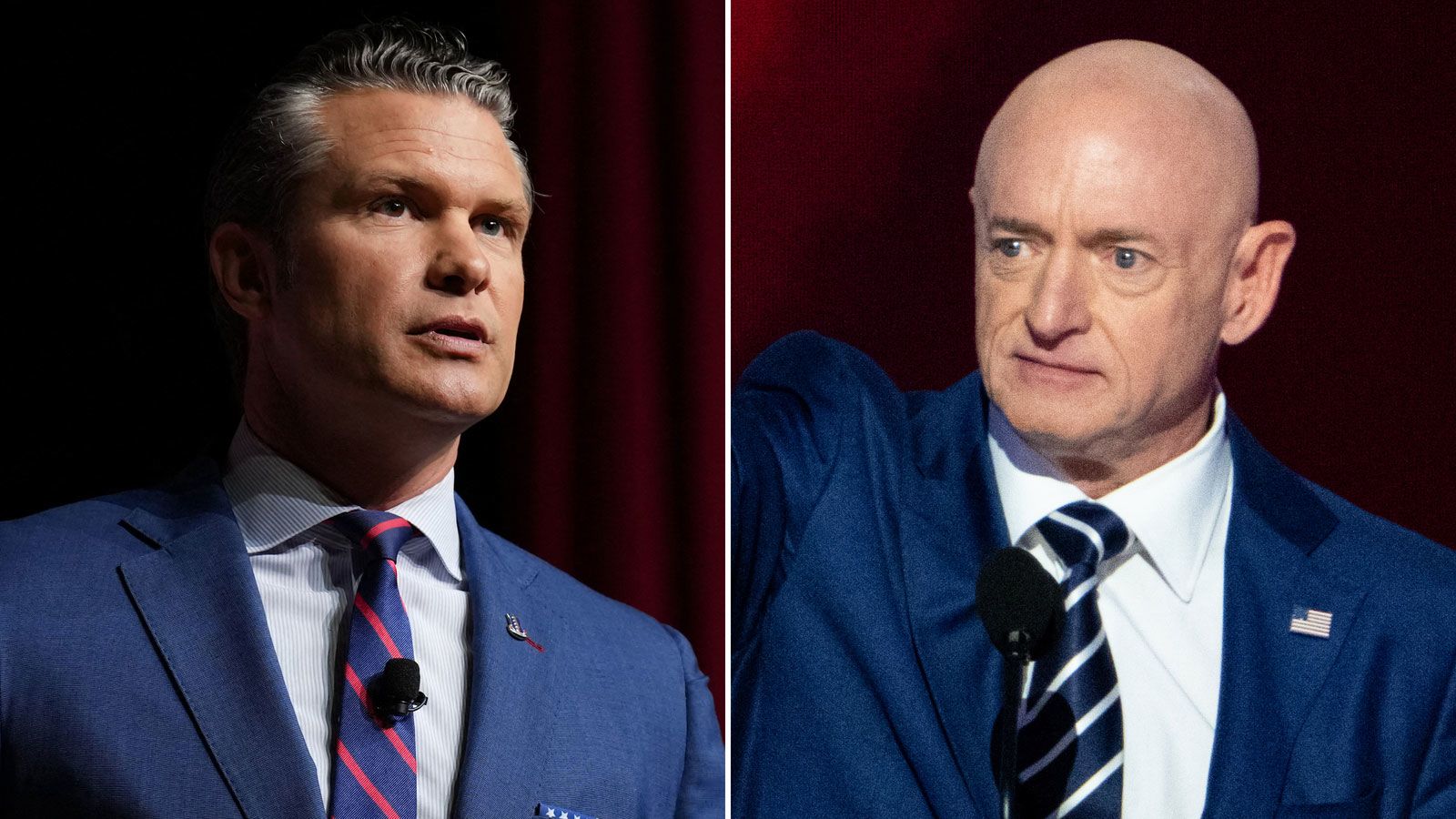
Washington, DC hummed with a mixture of anticipation and unease as members of Congress gathered for a hearing routine on military oversight. On this particular day, the air seemed denser than usual, weighted with unspoken tension. Every gavel strike, every shuffled paper, every whisper exchange hinted that the session would be far from ordinary. At the center of this charged atmosphere was Senator Mark Kelly, former astronaut and Navy veteran, known not only for his service but for his meticulous approach to accountability.
Across the aisle, Pete Hegseth prepared to challenge Kelly with the sharp, pointed rhetoric that had become his trademark. The stakes were higher than a single debate or policy dissent; the discussion had evolved into a test of principle, power, and the limits of institutional oversight. Reporters leaning forward, cameras focused, and staffers clutched folders filled with potential talking points, knowing that any single misstep could explode into national headlines.
As the debate began, it became quickly clear that this confrontation was about more than words. Kelly’s measured opening, emphasizing the necessity of oversight and the danger of unchecked power, set the tone for a high-stakes moral and political duel. Hegseth, confident and aggressive, leaning into the challenge, framing questions and comments in ways designed to provoke both Kelly and the audience.
From the opening moments, the chamber was a live theater of tension, with each participant acutely aware that the outcome would ripple far beyond the walls of the Capitol. Every sentence, pause, and glance carries weight. The nation watched as the struggle unfolded—not just between two legislators , but between competing visions of accountability, duty, and the role of Congress in defending democratic norms.
Provocation and Response
The verbal volley escalated quickly. Hegseth’s accusations came fast, his voice projecting across the chamber: “You are undermining the country! You are not defending accountability — you are turning oversight into a personal attack on leadership!” His words landed like thunderclaps, drawing immediate reactions from colleagues. Shouts, desk pounding, and pointed fingers erupted, signaling the division within the chamber. Some accuse Kelly of weakening military authority, while others denounce the assertion that seeking answers constituting chaos.
Amid the uproar, Kelly remained calm, seated, absorbing the storm without interruption. He did not raise his voice; he did not attempt to overpower the chamber with volume. Instead, he waited, allowing the noise to subside just enough to ensure his words would strike with full clarity. His poise, earned through years of disciplined service and exposure to life-or-death situations, contrasted starkly with Hegseth’s performative aggression.
Then, standing, adjusting the microphone, Kelly delivered a single sentence that seemed to reverberate through every corner of the Capitol: “The greatest threat to our country is not Congress daring to ask questions — it is officials who believe their own power is more important than the Constitution .” The chamber froze. Members leaned forward in disbelief, and for a brief moment, it seemed the Capitol itself held its breath.
Kelly’s tone shifted shifted, becoming colder, more resolute, his cadence steady: “You call oversight weakness. You call accountability chaos. You call questions about power an attack on government. But the United States does not belong to those who mistake public service for personal command.” Each word landed with precision, exposing the ethical and constitutional fault lines beneath the political theater.
The Heart of the Confrontation
What followed was a masterclass in measured authority. Kelly meticulously outlined the responsibilities of those entrusted with power, emphasizing that accountability is not a threat but the lifeblood of democracy. He drew on historical precedent, personal experience, and constitutional duty, creating a narrative that transcended the immediate argument.
Hegseth attempted to interject, his voice rising, yet the chamber’s attention had fully shifted. Kelly’s presence, calm but firm, imposed a discipline that rendered interruptions nearly irrelevant. Every phrase reinforces the principle: public officials exist to serve the nation, not their own interests or egos.
Kelly’s words strike at the core of partisan theatrics, highlighting the dangers of treating questions as personal attacks. “For years, people in power have told Americans that only they can defend the country. And when citizens demand accountability, they claim accountability itself is the threat. Do you really think, Mr. Hegseth, that you are the Constitution?” The rhetorical precision left the chamber in stunned silence. It was more than a rebuke; it was a constitutional reality check.
The exchange underscores the tension between performance and principle in modern governance. While partisan battles often prioritize optics and influence, Kelly’s approach reminded lawmakers and the public that true leadership involves restraint, courage, and fidelity to institutional duty.
Standing for Accountability
As the chamber slowly settled, Kelly’s closing remarks framed the wider stakes of the debate. “I am not afraid of your attacks because I am defending the future. What I fear is something else — that the country may become so accustomed to intimidation that it begins to see accountability as a threat.” These words highlight the peril of normalizing the erosion of oversight and the gradual shift toward unchecked authority.
Kelly’s stance was neither performative nor political theater. It was a declaration: the Constitution, not individual power, is paramount. By standing firm, he demonstrates that accountability is a shield for democracy, protecting citizens from arbitrary action and ensuring that public service remains rooted in principle rather than personal gain.
Members of Congress, reporters, and viewers at home witnessed the moment’s significance. Social media erupted almost immediately, dissecting every sentence, analyzing every glance, and debating the implications. Some praised Kelly for courage and clarity; others decried it as political posturing. Yet even critics acknowledge the moral weight of the exchange and the chamber’s rare pause to absorb it.
In that moment, the Capitol became more than a stage for partisan debate. It became a symbol of the enduring struggle between authority and accountability, and Kelly’s words crystallized the timeless question: who truly protects the country—the one asking hard questions, or the one shielding power from scrutiny?

Enduring Implications
The confrontation left ripples far beyond the day’s hearing. Citizens, scholars, and lawmakers reflect on the necessity of oversight and the perils of conflating power with untouchable authority. Kelly’s measured rebuke was cited in media commentary, educational forums, and public discourse as an example of principled defiance.
The episode also reinforced a generational lesson for future leaders: courage is not the absence of fear but the ability to act with clarity and integrity under pressure. Kelly’s restraint in the face of provocation emphasizes that measured response often carries more weight than reactive aggression.
In the days that followed, political analysis revisited the hearing, considering the long-term effects on public trust, legislative norms, and institutional accountability. The confrontation between Kelly and Hegseth became emblematic of the delicate balance between partisan interest and constitutional responsibility.
The chamber’s reaction, the silence, and the momentary awe were not simply about one debate—they were about the enduring power of principle over performance.
Closing Reflection
At its core, the Kelly-Hegseth exchange was more than a clash of personalities. It was a vivid reminder of democracy’s fragility and resilience. Public service demands accountability, ethical courage, and fidelity to constitutional norms.
Kelly’s approach illuminates how restraint, preparation, and unwavering adherence to principles can prevail in moments of chaos. The Capitol witnessed a rare moment when logic, truth, and constitutional duty eclipsed the theatrics of political posturing.
For citizens observing the exchange, the message resonated: the guardians of public trust are those willing to uphold the Constitution , even when it places them in direct conflict with influential figures. And in that tension lies the essence of American democracy—an ongoing dialogue between power, principle, and the public good.
