
When A Hollywood Voice Entered A Bigger Debate
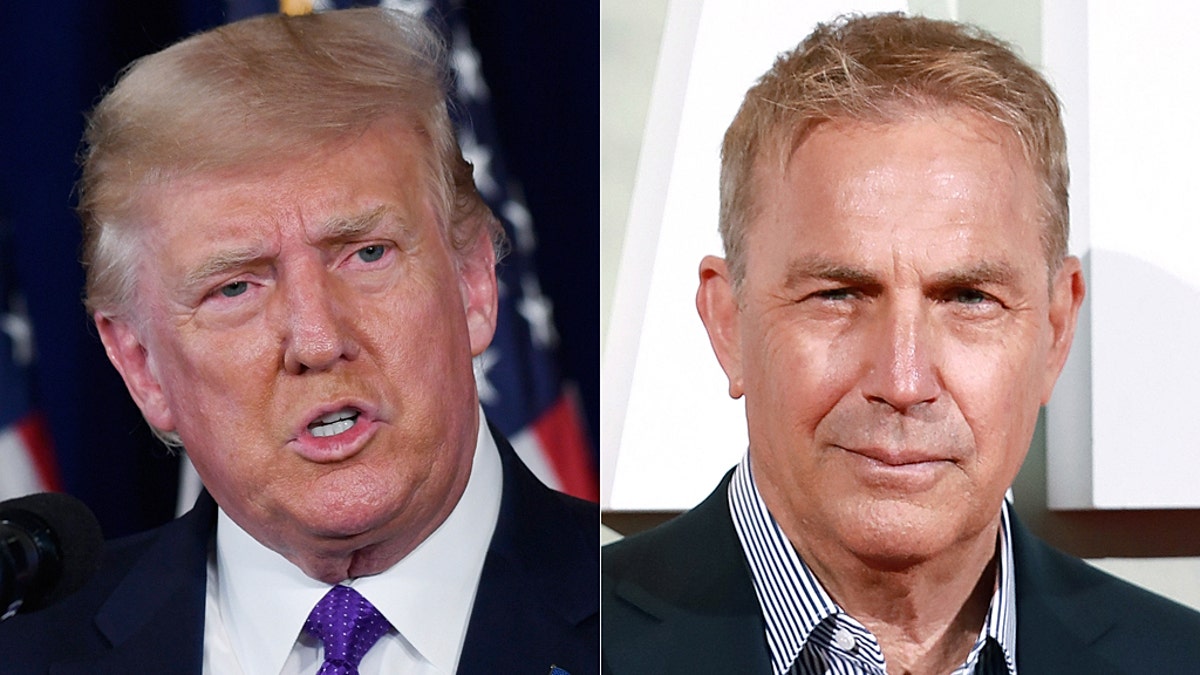
There are moments when a public disagreement becomes something much larger than the people involved. A single statement can create a reaction, but sometimes the response reveals deeper questions about values, responsibility, and the kind of society people want to build. The imagined exchange between Donald Trump and Kevin Costner became one of those moments because it moved beyond politics and entered a much older conversation — the meaning of compassion, faith, and how people treat those who have the least power.
Kevin Costner has spent decades building a reputation as one of Hollywood’s most respected figures. His career was not defined only by movies or awards, but by the types of stories he chose to tell. Throughout his work, he often explored themes of humanity, personal struggle, redemption, and the complicated choices people make when facing difficult circumstances. Beyond entertainment, he became known as someone who valued thoughtful discussion and believed stories could reveal important truths about society.
That was why the imagined criticism directed toward him created such strong attention. Supporters and critics alike understood that Costner was not simply another celebrity commenting on politics. He represented a different kind of public voice — one focused less on winning arguments and more on examining the values behind them.
The Power Of A Public Statement
In today’s world, the words of public figures carry enormous influence. Politicians, actors, musicians, and cultural leaders all have platforms capable of reaching millions of people instantly. Because of that influence, every statement becomes part of a larger conversation about identity, beliefs, and the direction of society.
Donald Trump has always been known as a figure who generates strong reactions. Throughout his public career, his statements have often created intense debate, with supporters viewing his direct style as strength while critics frequently challenge his approach and the messages behind his words.
When a famous figure like Kevin Costner enters that conversation, the reaction often extends beyond the original disagreement. People begin examining the larger ideas involved. What values should guide public life? How should people of faith respond to suffering? What does compassion look like when society faces difficult challenges?
A Different Kind Of Response
The most powerful part of the imagined confrontation was not the criticism itself. It was the way Costner responded. Instead of matching anger with anger, he approached the moment from a place of reflection. His response focused less on personal conflict and more on the principles he believed mattered.
That approach changed the nature of the conversation. Rather than allowing the discussion to become a simple exchange of accusations, he redirected attention toward broader issues — poverty, suffering, forgiveness, and the responsibility people have toward one another.
Throughout history, some of the most meaningful conversations have come from moments of disagreement. The important question is not whether people disagree. A healthy society depends on different perspectives. The important question is whether those disagreements can lead to deeper understanding rather than greater division.
Faith Beyond Political Arguments
One of the central themes surrounding the imagined response was the relationship between faith and public behavior. For many people, religious belief is not only about personal identity. It is also about how they treat others, especially those experiencing hardship.
The discussion raised a familiar question: what does compassion truly require? Many religious traditions emphasize helping vulnerable people, showing kindness to strangers, and recognizing the dignity of every individual.
Costner’s message focused on that idea — that faith should inspire people to care for others rather than simply judge them. He presented compassion not as weakness, but as a responsibility.
For millions of people, that message resonates because it connects with something universal. Regardless of political beliefs, most people understand the importance of kindness, empathy, and helping those who are struggling.
The Difference Between Judgment And Understanding
One of the greatest challenges in public conversations is the tendency to reduce complicated issues into simple labels. Once someone is placed into a category, it becomes easier to dismiss them rather than understand them.
The imagined exchange involving Costner represented a different approach. Instead of focusing only on labels, the discussion turned toward human experiences. Behind every political issue are real people — families facing difficulties, individuals searching for opportunities, and communities trying to overcome challenges.
Compassion begins when people remember that statistics represent human lives. Every decision affects someone. Every policy has consequences. Every public conversation reflects real experiences beyond television screens and headlines.
Why The Message Connected With Audiences
People are often drawn to moments when someone speaks from personal conviction rather than simply following expectations. Audiences can recognize the difference between prepared words and genuine belief.
Kevin Costner’s imagined response gained attention because it represented a message many people understand: that humanity should remain at the center of public discussions.
The strongest arguments are not always the loudest ones. Sometimes the most powerful statements are delivered calmly, with the confidence of someone who understands their own values.
That kind of response invites people to think rather than simply react.

A Conversation About The Forgotten
Throughout history, many influential voices have emphasized the importance of remembering people who are often overlooked. The poor, the vulnerable, and those without power frequently become the focus of moral discussions because they reveal what a society truly values.
The imagined statement from Costner reflected that perspective. It suggested that compassion should be measured by how people treat those who cannot offer them anything in return.
That idea appears in many cultures and belief systems. The strength of a community is often revealed not by how it treats the powerful, but by how it treats those who need help.
The Responsibility Of Famous Voices
Celebrities have always played a complicated role in public discussions. Some people believe entertainers should avoid political topics, while others argue that anyone with influence has a responsibility to speak about issues they care about.
Kevin Costner’s career has often connected with themes of humanity and moral choices, making his public voice part of a larger conversation about storytelling and values.
When famous individuals speak, their words reach audiences far beyond traditional political spaces. Their influence can encourage reflection, challenge assumptions, and bring attention to important issues.

Beyond The Argument Itself
The most important part of any public disagreement is often what remains afterward. Arguments eventually fade, but the ideas they introduce can continue shaping conversations.
The imagined exchange between Trump and Costner became meaningful because it represented a question many people continue asking: What kind of society do we want to create?
A society built on division will always search for enemies. A society built on compassion will always search for solutions.
The choice between those paths is something every generation must consider.
The Lesson About Compassion And Humanity
In the end, the greatest message behind this imagined moment was not about winning a debate. It was about remembering the values that connect people despite their differences.
Kevin Costner’s response represented the belief that compassion is not a political strategy. It is a human responsibility. It is reflected in how people treat strangers, how communities support the vulnerable, and how individuals respond when others are struggling.
Because history rarely remembers only who spoke the loudest. It remembers the people who reminded others of something important.
And perhaps the deepest lesson is this: power can influence the world for a moment, but compassion has the ability to change it for generations.