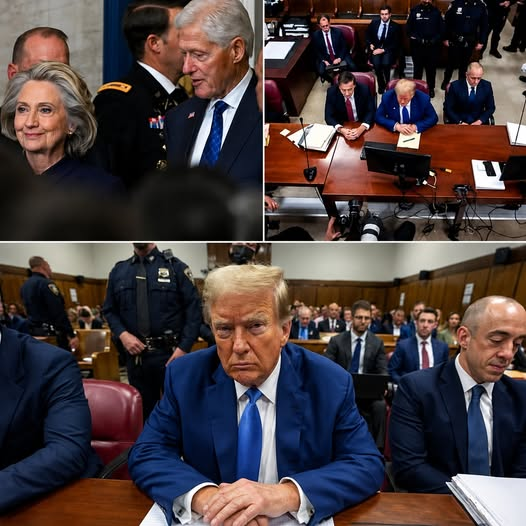
The Moment the News Broke Open
The newsroom lighting at 6:03 a.m. in Washington already had that tense, half-awake energy that only major breaking news can produce. Monitors flickered with early headlines, producers spoke in clipped sentences, and phones rang without pause. Then the crawl appeared—first unconfirmed, then repeated, then impossible to ignore: a Supreme Court ruling involving Donald Trump and subpoena authority in the ongoing Epstein-related legal proceedings.
At first, even seasoned reporters hesitated to frame it definitively. Supreme Court decisions are rarely simple, and even more rarely this politically explosive. But within minutes, legal correspondents began confirming the core of it: the Court had rejected arguments for full immunity in relation to certain investigative subpoenas, opening the door for renewed legal pressure tied to long-running federal inquiries. The language varied by outlet, but the meaning was unmistakable—protections once assumed to be nearly impenetrable were no longer absolute.
A Legal Shield Under Pressure
In Washington, the phrase “presidential immunity” has always carried weight far beyond legal textbooks. It exists in the uneasy space between constitutional interpretation and political reality, shaped by decades of precedent, argument, and restraint. For supporters of expansive immunity, it represents necessary protection for executive function. For critics, it represents a dangerous gap in accountability.
This ruling, however, did not erase immunity entirely—it narrowed its perceived reach in the context of active investigative subpoenas. Legal analysts immediately emphasized that nuance, but nuance rarely survives the first hour of a political shockwave. What mattered in that moment was perception: the idea that no figure, regardless of office or status, stood entirely outside judicial reach when properly compelled under law.
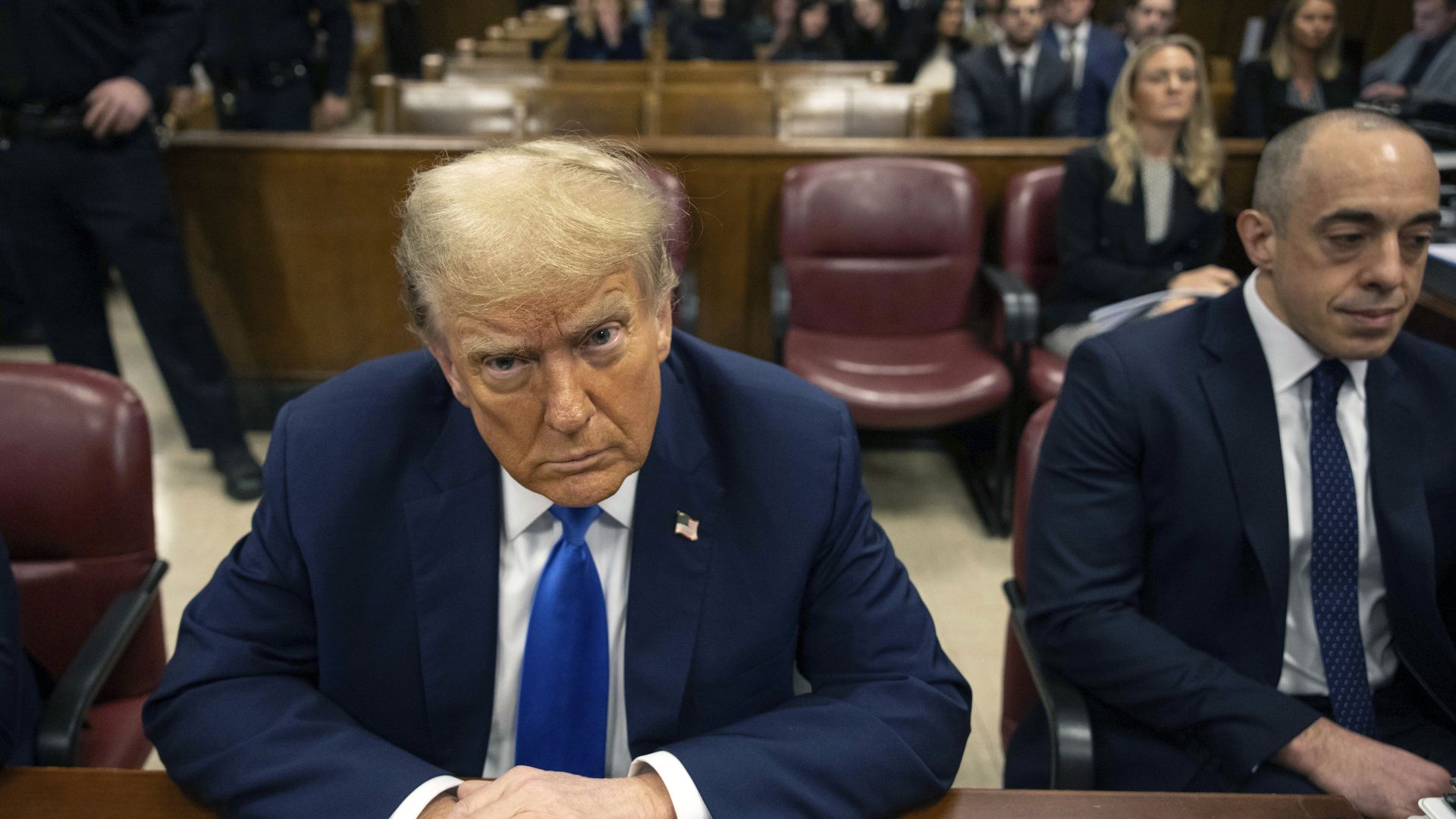
The Epstein Case Context Intensifies
What transformed the legal development into a national spectacle was not only the Court’s decision, but the case it intersected with. The Epstein-related investigations have long existed as one of the most sensitive and heavily scrutinized legal narratives in modern American history—spanning multiple jurisdictions, years of testimony, and an endless stream of speculation, documentation, and political tension.
Any judicial movement connected to that broader ecosystem inevitably attracts immediate public amplification. The mention of subpoenas alone is enough to trigger waves of interpretation, even before full legal filings are reviewed. In this atmosphere, every procedural detail becomes magnified, and every ruling is read not just as law—but as signal.
Political Reactions Ignite Instantly
Within minutes of the first confirmed reports, political figures across the spectrum began responding. Allies of Donald Trump framed the ruling as an overreach into politically motivated investigations, warning of dangerous precedent and escalating legal warfare. Critics, meanwhile, described it as a reaffirmation that no individual is beyond investigative scrutiny.
Cable networks split their screens into panels of legal experts, former prosecutors, and political strategists all attempting to interpret a decision that had not yet even been fully digested in written form. Social media accelerated the interpretation further, collapsing careful legal phrasing into simplified narratives of “immunity gone” versus “nothing changes,” depending on political alignment.
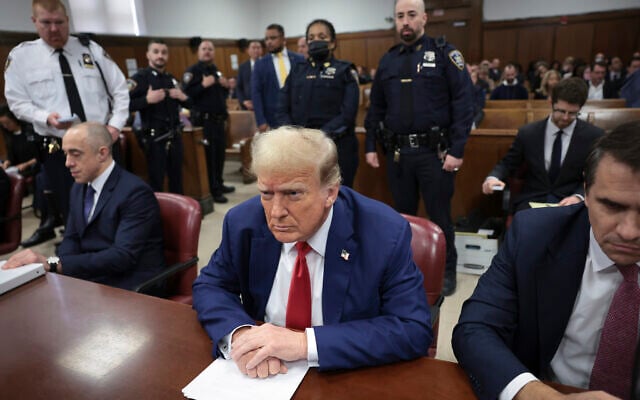
Mar-a-Lago Under the Spotlight Again
Almost immediately, attention turned toward Mar-a-Lago—not as a physical location alone, but as a symbolic center of ongoing political and legal scrutiny. The estate has, over recent years, become shorthand for a broader legal identity: documents, investigations, hearings, and contested narratives about power and accountability.
In this latest wave of coverage, the phrase “pressure is mounting” began appearing repeatedly in commentary segments. Whether or not any immediate legal action would follow the ruling remained unclear, but the perception of escalation was already firmly established. In Washington, perception often travels faster than filings.
The Role of Testimony and Legal Momentum
The reference to prior testimony in related proceedings added another layer of complexity. In high-profile investigations, testimony often functions less as isolated evidence and more as momentum—each statement feeding into a larger chain of legal scrutiny that builds over time.
Legal experts were quick to caution that no single testimony or ruling exists in isolation. Courts operate through structured process, not narrative arcs. Yet public interpretation rarely follows that discipline. Once a story reaches national scale, it begins to behave less like law and more like unfolding drama, with each development framed as a turning point.
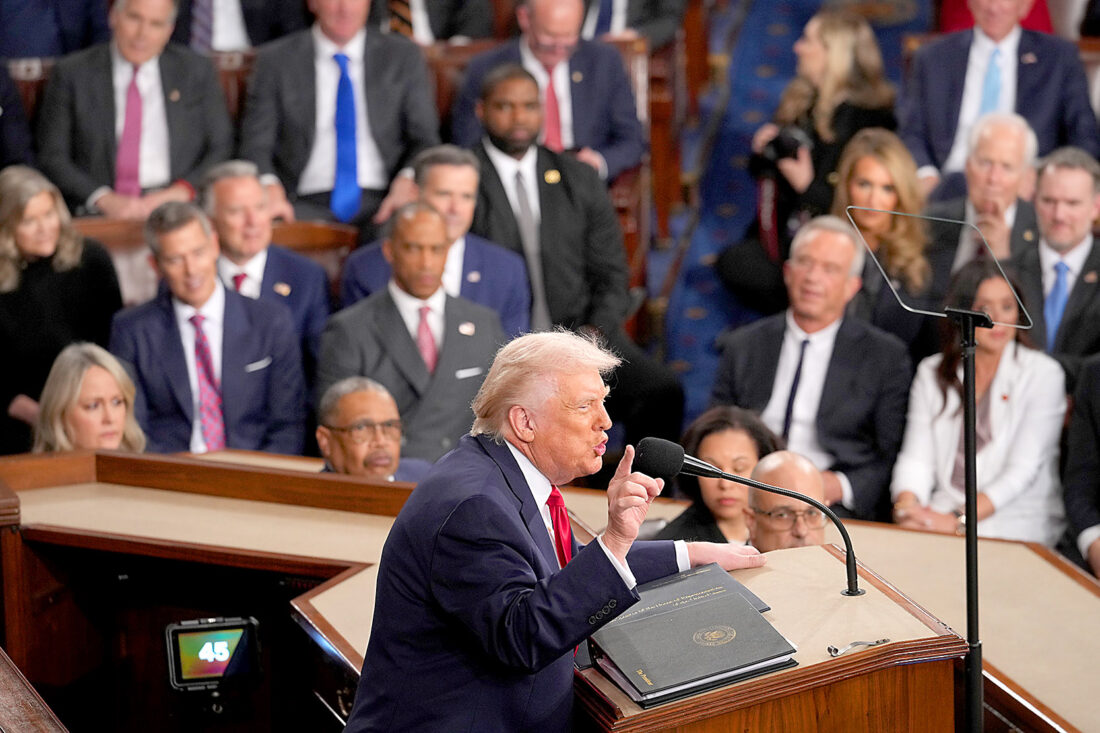
The Supreme Court’s Narrow Language, Broad Impact
While headlines leaned toward dramatic framing, legal analysts emphasized that Supreme Court language is typically precise, limited, and carefully scoped. The Court rarely issues sweeping declarations in the way media headlines suggest. Instead, it defines boundaries, clarifies standards, and refines interpretation of existing doctrine.
However, even narrow rulings can produce broad consequences when applied to politically sensitive contexts. This is where law and public perception diverge most sharply. A sentence written to resolve a procedural question can be read by millions as a seismic shift in accountability. That gap between legal intent and public interpretation is where political shockwaves are born.
The Media Machine Takes Over
By midday, the story had fully transitioned from legal development to media event. Every major network had it as a lead segment. Legal scholars debated terminology. Political commentators debated intent. Pundits debated impact. And audiences, already accustomed to rapid cycles of controversy, absorbed it as part of an ongoing national narrative.
In this phase, accuracy and framing began to compete. Some outlets emphasized the limits of the ruling. Others emphasized its implications. The result was a fragmented information environment where the same decision appeared simultaneously restrained and explosive, depending on where it was being discussed.

What Actually Changes—and What Doesn’t
Behind the noise, the legal reality remained more structured than the headlines suggested. Subpoena authority, immunity claims, and investigative reach are all governed by layered precedent. One ruling does not erase the system; it adjusts how certain arguments may be received in future proceedings.
What does change is momentum. Legal strategies are often built not only on current law, but on how courts appear to be leaning over time. In that sense, even incremental shifts can reshape how future filings are written, how arguments are structured, and how aggressively investigations proceed.
The Aftershock of a Single Legal Sentence
By evening, the initial shock had not disappeared—it had simply evolved into interpretation. Analysts were already outlining potential next steps, political actors were refining their responses, and the public was absorbing yet another moment in an increasingly dense legal timeline.
Whether viewed as a narrowing of immunity doctrine or simply a procedural clarification with major implications, the ruling had already achieved something larger than its text: it had re-centered national attention on the relationship between power and accountability.
And in Washington, that is often where the real story begins—not in what was decided, but in what everyone believes comes next.